Sturgeon County is now a national AI infrastructure search term because Meta chose it for Canada’s first Meta-owned data center: a 1GW AI-optimized campus with a multi-year build-out.
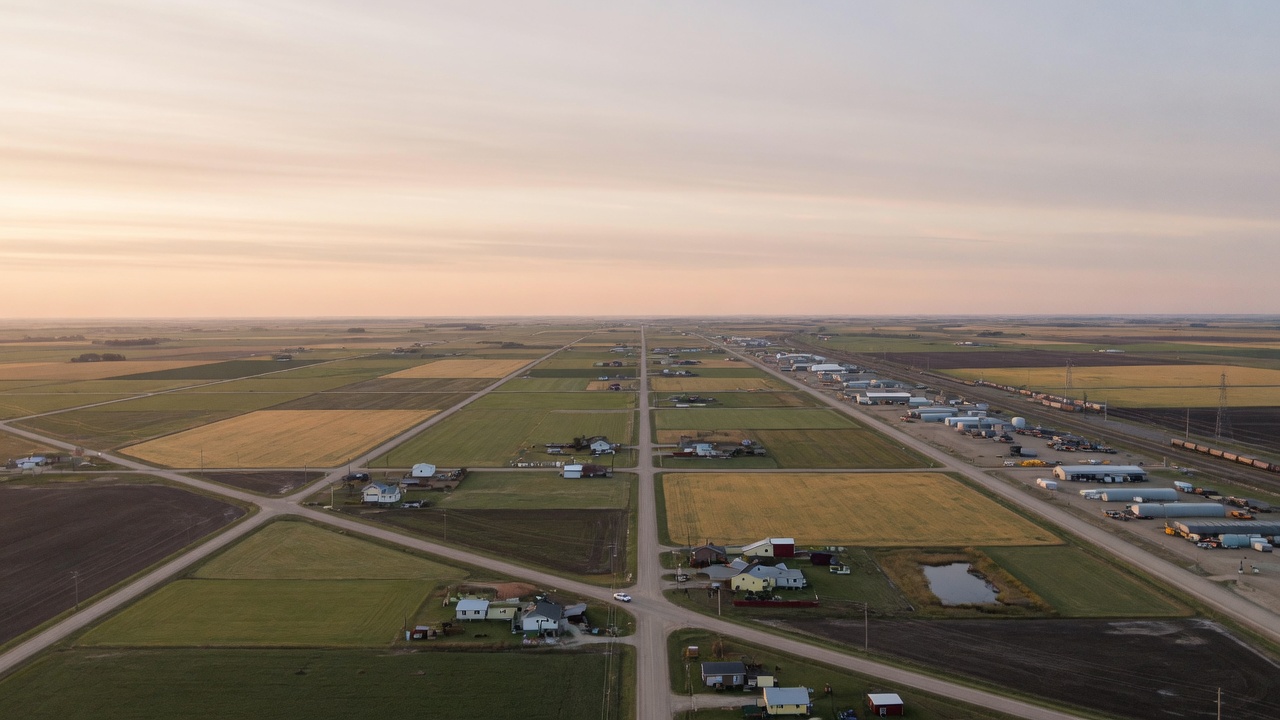
How Sturgeon fits the Edmonton industrial map
Sturgeon sits in the broader Edmonton metro / Industrial Heartland orbit — the same economic gravity that includes Fort Saskatchewan, Gibbons-area debates, and Sherwood Park professional services. When people search “data center near Edmonton,” they increasingly mean this corridor.
A county is not empty land for a press release. Good projects publish construction traffic plans, noise expectations, tax and grant pathways, and hiring channels early.
Community questions that deserve real answers
- Construction traffic and road upgrades (Meta cites ~CAD $60M local infrastructure)
- Noise and emergency generation testing windows
- Water and wastewater service (Meta: cooling designed for minimal process water)
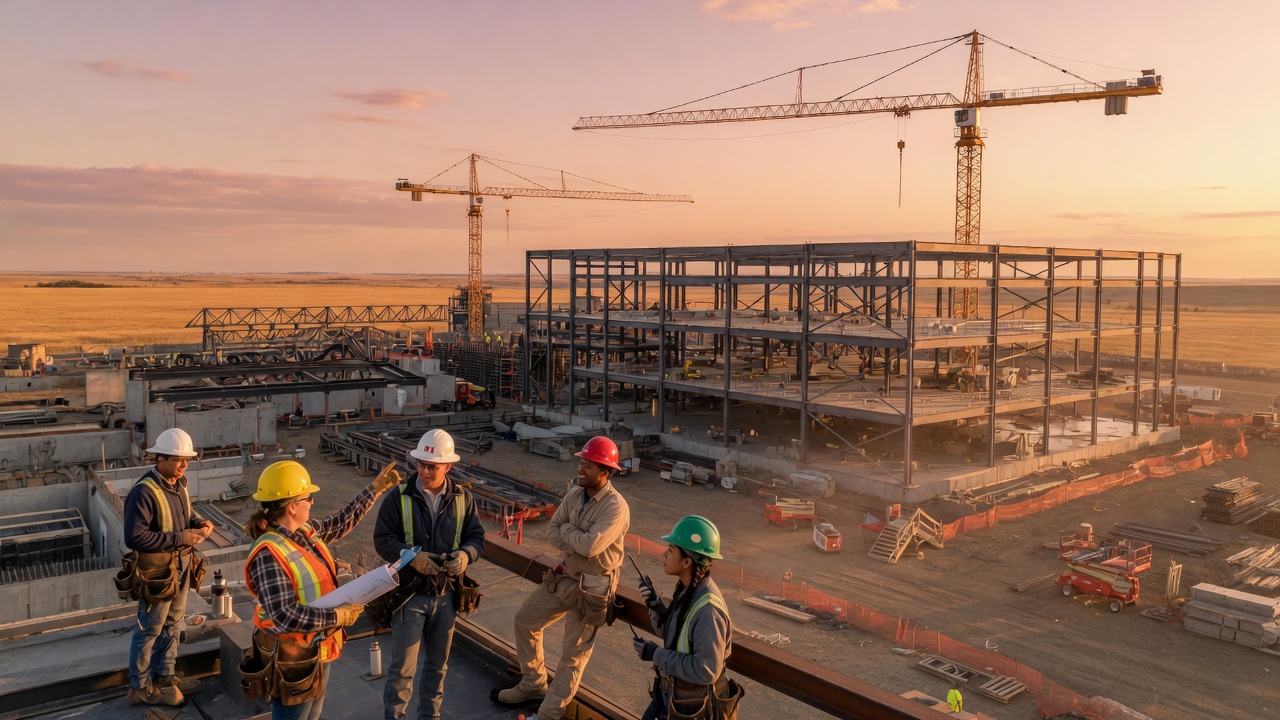
- Local hiring and contractor access during the multi-year build
- Long-term tax base vs short-term disruption
Full project facts: Meta Alberta / Sturgeon explainer. Power fears: Will Meta raise my bill?.
Turn Alberta’s AI boom into team skill — not just headlines
Opcelerate Neural is a Sherwood Park AI studio. We help Alberta owners train teams, set up private AI workflows, and use tools like ChatGPT, Claude, and open-source models on real work — while the province builds compute capacity.