On July 8, 2026, Meta announced it is breaking ground on a 1 gigawatt (1GW), AI-optimized data center in Sturgeon County, Alberta — its first data center in Canada and the 33rd in its global fleet. Independent reporting put the project in the ballpark of a multi-billion-dollar build; Meta’s own newsroom frames the investment as more than CAD $13 billion.
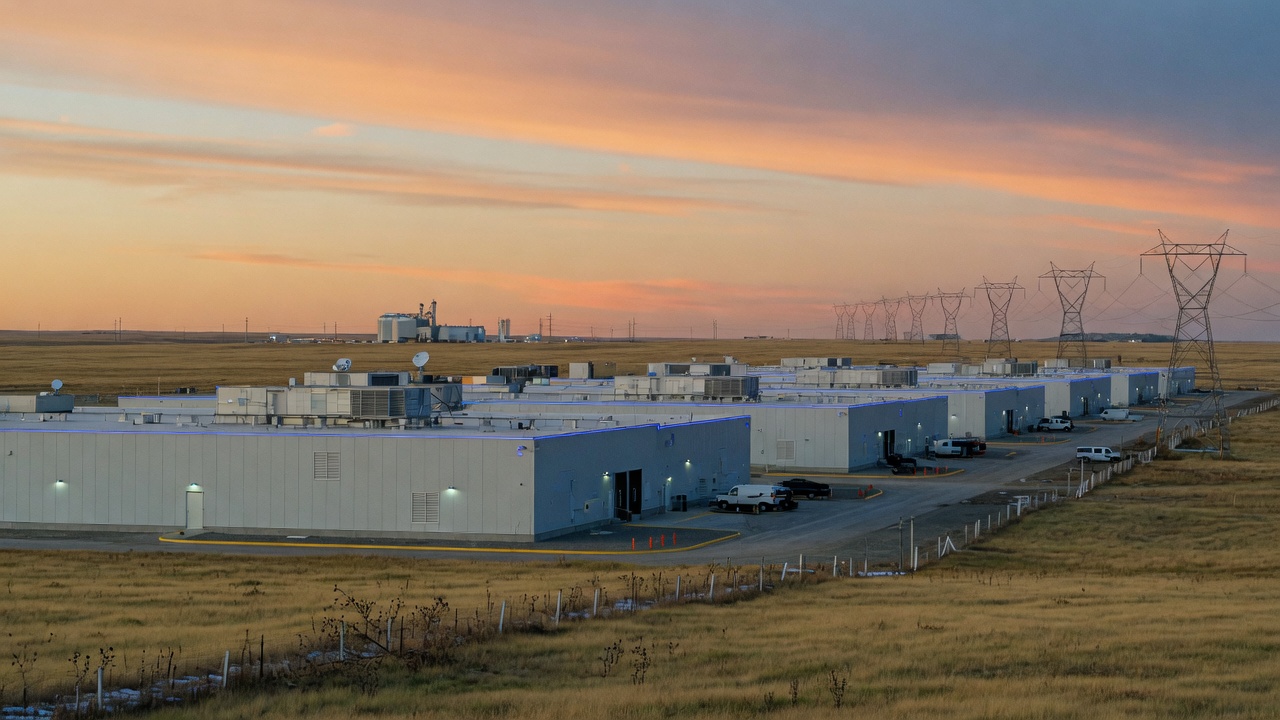
The facts Albertans are searching for
- Where: Sturgeon County, central Alberta (Edmonton region industrial corridor)
- Scale: ~1GW AI-optimized capacity
- Investment: more than CAD $13 billion (Meta)
- Construction jobs: ~3,000 workers at peak (Meta)
- Operational jobs: more than 300 ongoing roles (Meta)
- Community infrastructure: about CAD $60 million in local roads/water improvements, plus nonprofit grants
This is not a vague “tech coming someday” story. It is a named hyperscaler, a named county, and a number (1GW) people can type into Google. Search follows headlines — then fear (“my bill”, “water”, “jobs”) and opportunity (“how do I work there”, “AI training Alberta”).
Why Alberta — and why now
Alberta’s public AI data centre strategy has been recruiting large loads for years: competitive power markets, gas and renewables optionality, cooler climate for efficiency, and a government that markets itself as open for AI infrastructure. Meta’s announcement sits on top of a wider wave: eStruxture and other operators expanding around Calgary and the Industrial Heartland, plus provincial “concierge” style investor support reported by Canadian media.
For small and mid-size Alberta businesses, the story is not only “big tech builds boxes.” It is that compute, fibre, and AI skill demand concentrate in regions that host capacity. Edmonton metro, Sherwood Park, Fort Saskatchewan, Gibbons, and Sturgeon communities will see more contractors, vendors, and AI tool adoption — not just Meta badges on a fence.
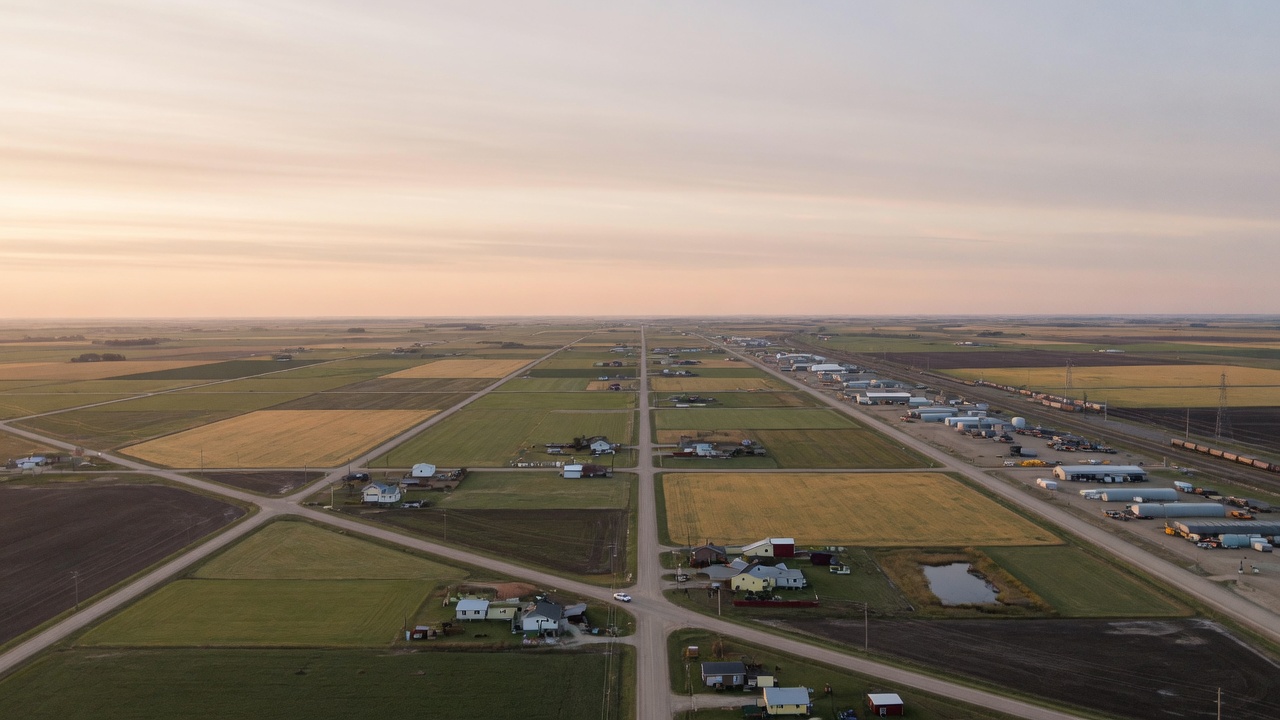
Power, water, and “who pays?”
Meta states it pays the full cost of its energy use, funds new and upgraded grid infrastructure so consumers are not left holding the bag for their load, and plans to match electricity use with 100% clean and renewable energy. It also describes a closed-loop, liquid-cooled system with dry cooling so operational cooling does not draw process water the way older evaporative designs do — water use limited mainly to domestic, fire, and maintenance needs.
Those are company claims. Local governments, AESO processes, and utility dockets are where rate design and reliability get verified. Healthy skepticism is good. Panic slogans are not a plan.
If Alberta hosts world-class AI compute, Alberta firms should also host world-class AI use. Training your team on private workflows beats doomscrolling every Meta headline.
What this means for Alberta operators (Edmonton, Sherwood Park, Calgary)
- Trades & vendors: multi-year construction + facility ops spillover
- Knowledge work: clients will expect AI-literate proposals, support, and documentation
- Security & privacy: more AI use means more need for private, human-reviewed systems
- Training: the bottleneck shifts from “is AI real?” to “who on our team can run it safely?”
Primary source: Meta Newsroom — Breaking Ground on Meta’s First Data Center in Canada (July 8, 2026). Cross-check Reuters, CNBC, and Alberta AI Data Centres Strategy pages for policy context.
Related: Will Meta raise my power bill? · Meta jobs Alberta · AI skills for the boom · Alberta abundance guide.
Turn Alberta’s AI boom into team skill — not just headlines
Opcelerate Neural is a Sherwood Park AI studio. We help Alberta owners train teams, set up private AI workflows, and use tools like ChatGPT, Claude, and open-source models on real work — while the province builds compute capacity.