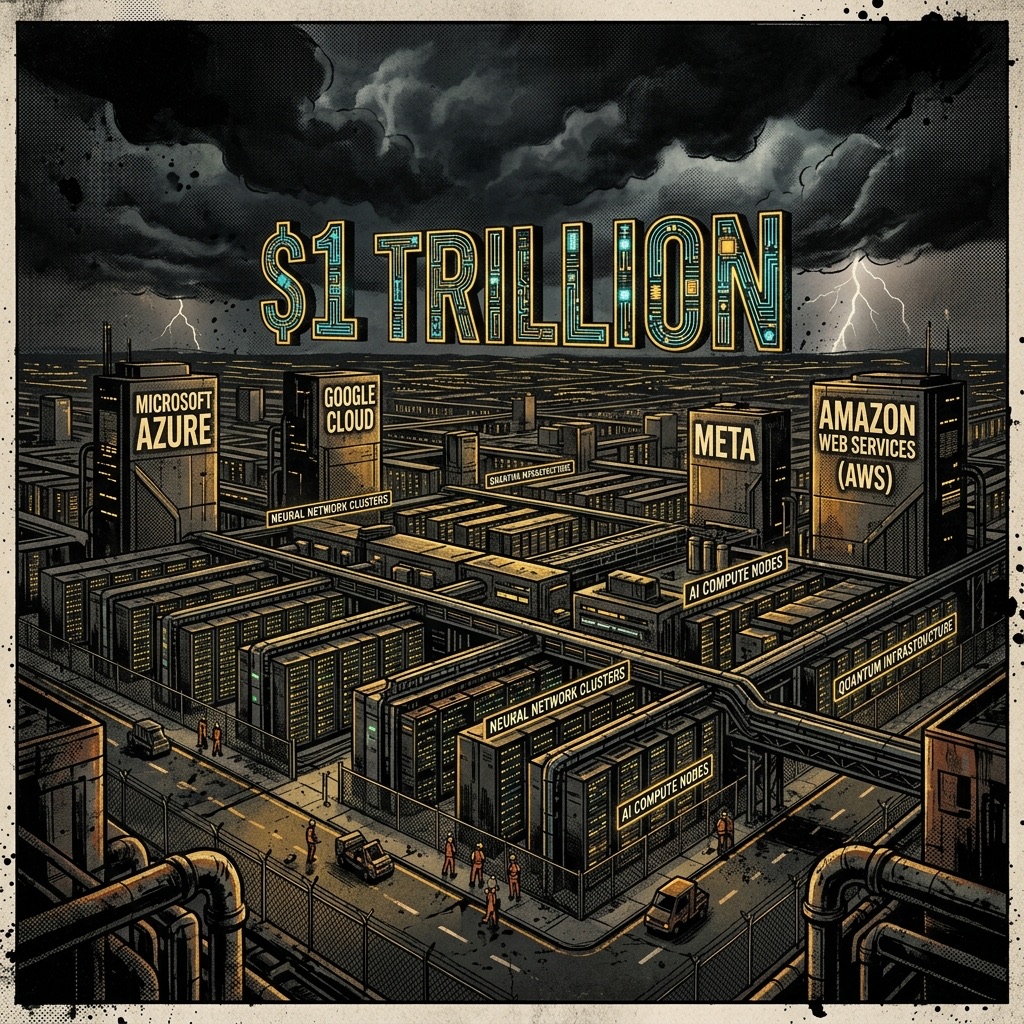
This is not a stock call. It is a market-structure signal. NVIDIA's May 20, 2026 earnings event gives operators a clean read on whether AI compute demand, data center capacity, and agentic AI infrastructure spending are still expanding fast enough to support the current AI investment cycle.
The AI market is now trading around infrastructure evidence, not only model announcements. That makes NVIDIA's next earnings call a useful business signal for anyone selling, buying, or planning AI systems.
What Is Happening
NVIDIA says it will host a conference call on Wednesday, May 20, 2026 at 2 p.m. PT to discuss first-quarter fiscal 2027 results for the quarter ended April 26, 2026.
The company also says prepared remarks from CFO Colette Kress will be posted after results are announced at approximately 1:20 p.m. PT. For market watchers, that gives the week a defined AI infrastructure checkpoint.
Why The Market Cares
NVIDIA's prior quarter set the backdrop: Q4 fiscal 2026 revenue was $68.1 billion, up 73 percent year over year, with data center revenue of $62.3 billion.
The company guided for Q1 fiscal 2027 revenue of $78.0 billion, plus or minus 2 percent, while saying it was not assuming any data center compute revenue from China in the outlook. That makes demand mix, margin language, supply, and China exposure the real story.
What Businesses Should Watch
Small and mid-sized companies do not need to trade the stock to learn from the event. They should watch how infrastructure providers talk about cost per token, inference demand, energy, networking, memory, and availability.
Those signals eventually flow into AI product pricing, vendor roadmaps, service availability, and the cost of running customer-facing automation.
The Practical Interpretation
If compute supply tightens or pricing rises, businesses should prioritize AI workflows with clear payback. If inference costs fall, more real-time agent use cases become practical.
Either way, AI buyers should stop treating compute as an invisible backend. It is now a market input that affects product strategy.
- Separate actual reported revenue from forward-looking commentary.
- Watch data center demand, not only headline EPS.
- Translate compute economics into AI workflow unit costs.
- Avoid using a single earnings call as investment advice.
The Opcelerate Take
Opcelerate's read: earnings events are now operational intelligence. The companies building AI infrastructure are quietly setting the price, speed, and availability constraints for every business AI roadmap.