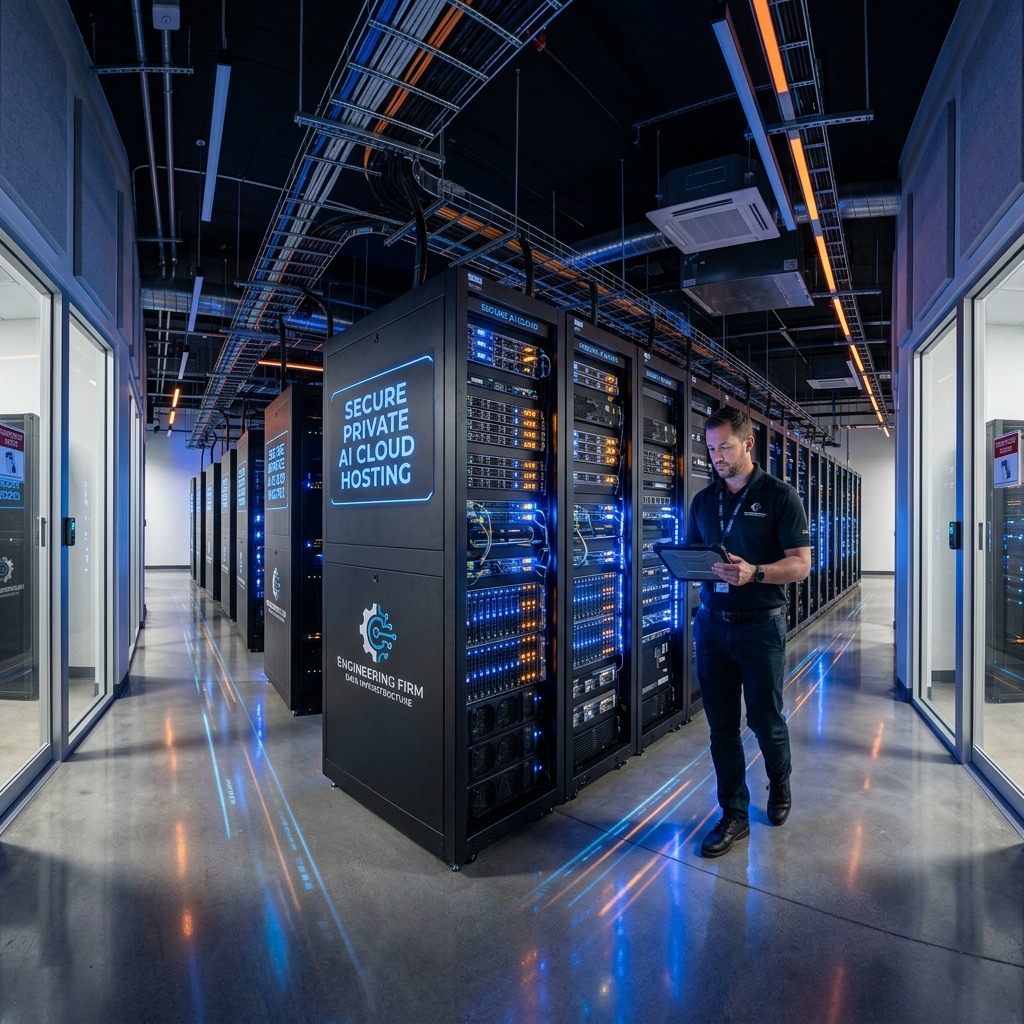
Dell and Palantir announced a joint on-premises AI operating system on May 18, built around Dell AI Factory with NVIDIA and Palantir Foundry and Ontology. The practical message is that enterprise AI is moving from experiments toward governed workflows running on infrastructure the organization controls.
Dell says the solution is designed to bring Palantir's Foundry and Ontology platform on-premises so fragmented enterprise data can become a governed semantic layer for operational AI agents and workflows. That is a dense sentence, but it gets to the real enterprise pain: the data is scattered, sensitive, and not ready for agents.
The Bottleneck Is Operations
The article argues that many organizations have already run pilots, invested in AI infrastructure, and experimented in the cloud. The hard part is turning those experiments into decisions and workflows inside regulated, high-stakes environments.
That is why the Ontology layer matters. Palantir's approach gives agents and applications typed interfaces into business entities, processes, assets, and relationships. Instead of every agent talking to a pile of brittle back ends, the system tries to create a governed business API.
Why It Matters In Canada
Canada has plenty of organizations where AI value is obvious but deployment is constrained: healthcare networks, public infrastructure, energy operations, financial services, municipalities, colleges, and contractors handling sensitive files. For those teams, on-premises and hybrid AI are not retro. They are often the only realistic path to adoption.
The lesson for smaller operators is to stop treating AI as a standalone chatbot. The real work is data architecture, workflow architecture, permissions, and evidence. If the agent cannot see the right governed context, it cannot produce reliable operational output.
The Opcelerate Take
Dell and Palantir are describing a heavy enterprise architecture, but the operating principle scales down. Build a semantic map of the business, define what AI can read, define what AI can draft, and keep final authority with the accountable human owner.
- Pick one process where data lives across multiple systems.
- Map the entities, relationships, owner, and source of truth.
- Use AI to draft summaries, decisions, and next actions from governed context.
- Keep audit trails and approval gates visible from day one.