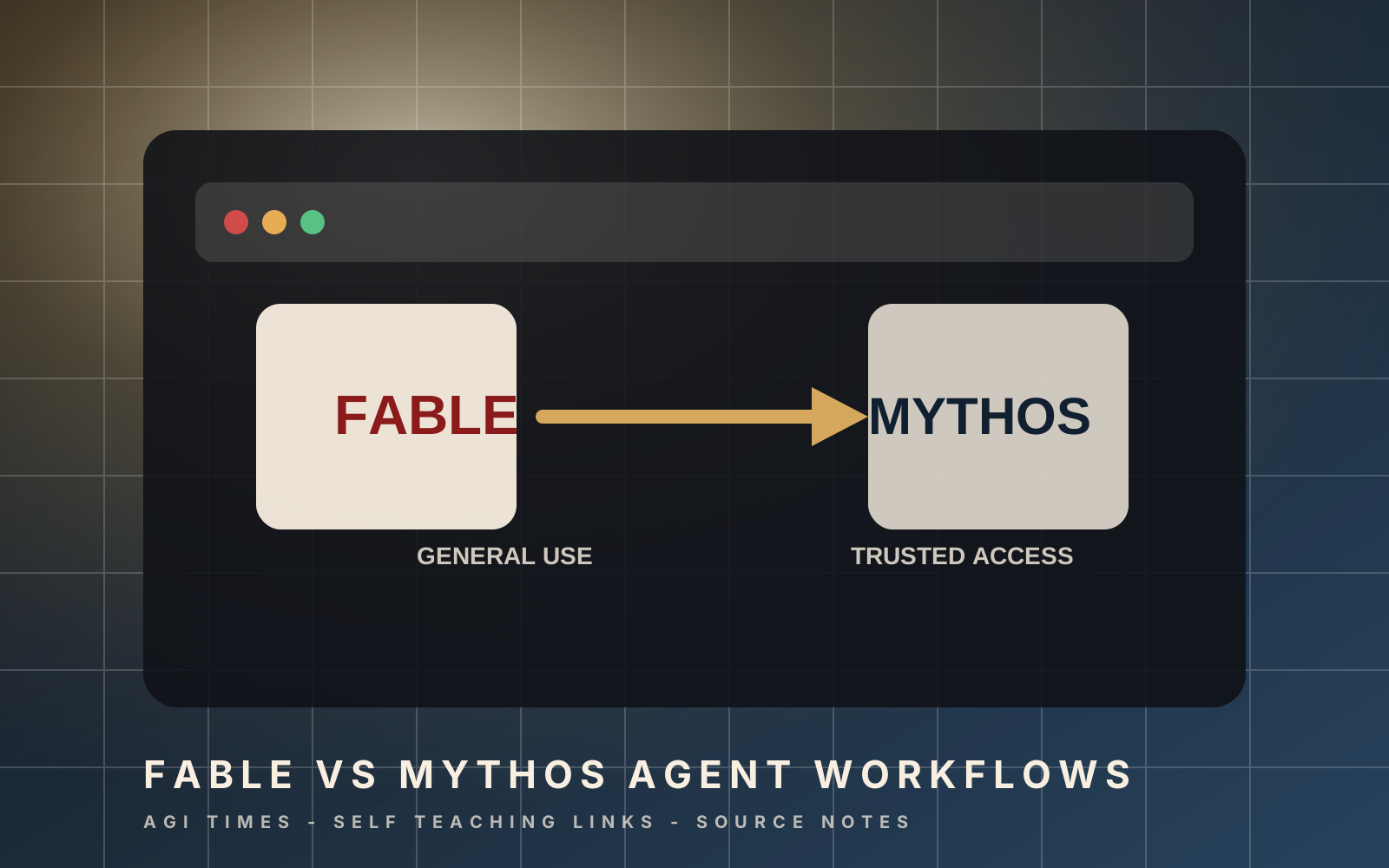
Anthropic's Fable and Mythos launch creates a useful teaching split. Fable is the generally available route for ambitious long-running work. Mythos is the restricted route for high-capability domains where misuse risks are higher. The difference is not just branding; it is a governance lesson.
What learners can safely practice
Practice long-horizon work on safe business tasks: restructure a public website, build a dashboard from sample data, analyze a public annual report, plan a code migration in a toy repo, or create a training checklist. Ask the model to plan, split work into stages, write tests, cite sources, and flag uncertainty.
What should stay restricted
Do not use public learning exercises to seek offensive cyber instructions, biological protocols, chemical synthesis, evasion methods, credential misuse, or anything that would remove a human safety boundary. The productive path is defensive review, documentation, test coverage, incident preparedness, and responsible workflow design.
The Opcelerate take
The best local service angle is to teach agent workflows without pretending every business needs frontier access. Most Edmonton-region teams need clean source packs, safe prompts, review checklists, and small automations. Fable is useful when the task is long and complex; a cheaper model may be enough when the task is short and routine.
Teach Yourself: Start Here
- Read the Mythos page - Understand why Mythos access is limited and how it differs from Fable.
- Study Project Glasswing - Learn the defensive-security framing without trying to reproduce dangerous details.
- Practice safe Claude Code workflows - Use issue tickets, tests, and pull-request review boundaries.
- Read the Fable/Mythos API guide - Learn availability, model IDs, fallback behaviour, and context specs.