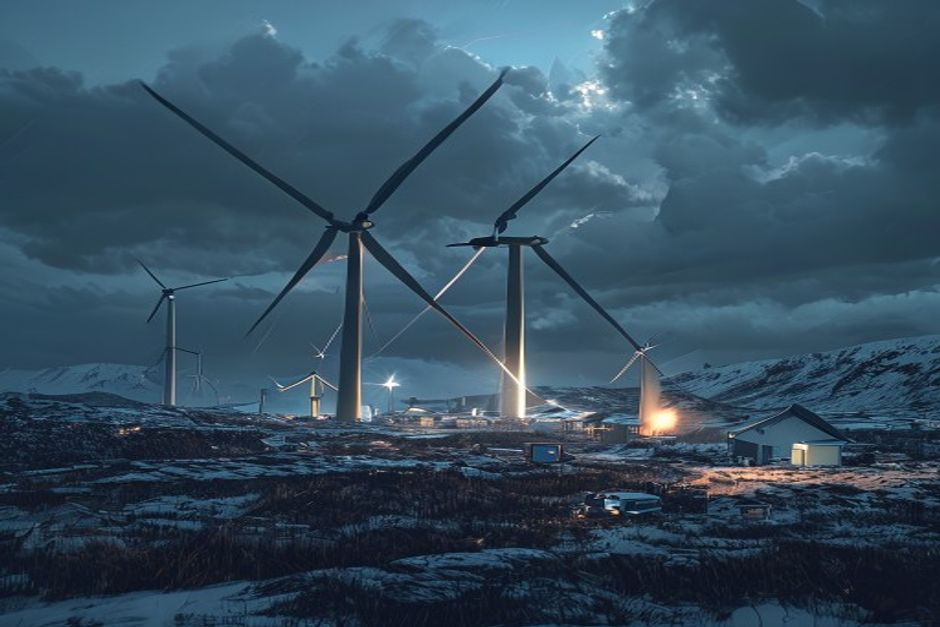
For the first time in history, a consortium of Nordic tech giants has unveiled autonomous microgrids that promise to replace diesel generators in the most isolated Arctic settlements. These microgrids, powered by adaptive AI controllers, blend intermittent wind turbines, photovoltaic panels, and advanced lithium‑ion batteries to deliver a continuous 95% of the communities’ electricity needs. The initiative, which launched earlier this week, is a testament to the role of artificial intelligence in forging resilient and cleaner energy futures for the world’s most vulnerable regions.
Officials from the consortium—led by the joint efforts of Sweden’s ÅF, Finland’s Fortum, Norway’s Equinor, and Denmark’s Vestas—report early data indicating a staggering 40% reduction in diesel fuel consumption since the first grid went online. That translates into outsized carbon savings and a significant drop in operating costs for the residents of Arstad and Larkwood, two villages perched at the northern edge of the Greenland Ice Sheet. The shift also means fewer diesel shipments, which are often delayed by ice‑blocked sea routes, reducing the risk of power outages during particularly harsh storms.
Beyond fuel savings, the microgrids have already demonstrated resilience during a recent blizzard that forced temperatures below -30 °C. The AI controller adjusted power dispatch across the battery array while leveraging wind and solar inputs, keeping hospital lights and hot water heaters running without fail. Residents report a noticeable drop in blackout incidents, a development that local mayors have described as “miraculous.” The technology’s capacity to forecast weather patterns and pre‑emptively redistribe energy means that communities can stay warm and connected even when ice‑covered roads sever external supply lines.
Looking ahead, the consortium plans to roll out the system across 20 additional settlements over the next two years, aiming for full electrification by 2030. The move also positions the Nordic region as a leader in climate‑smart infrastructure, setting a benchmark for other remote parts of the globe grappling with fossil‑fuel dependence. As the Arctic pushes forward into a new era of intelligent energy, the people of these frozen villages can finally rest assured that the power grid is as enduring—and adaptable—as the landscapes they call home.