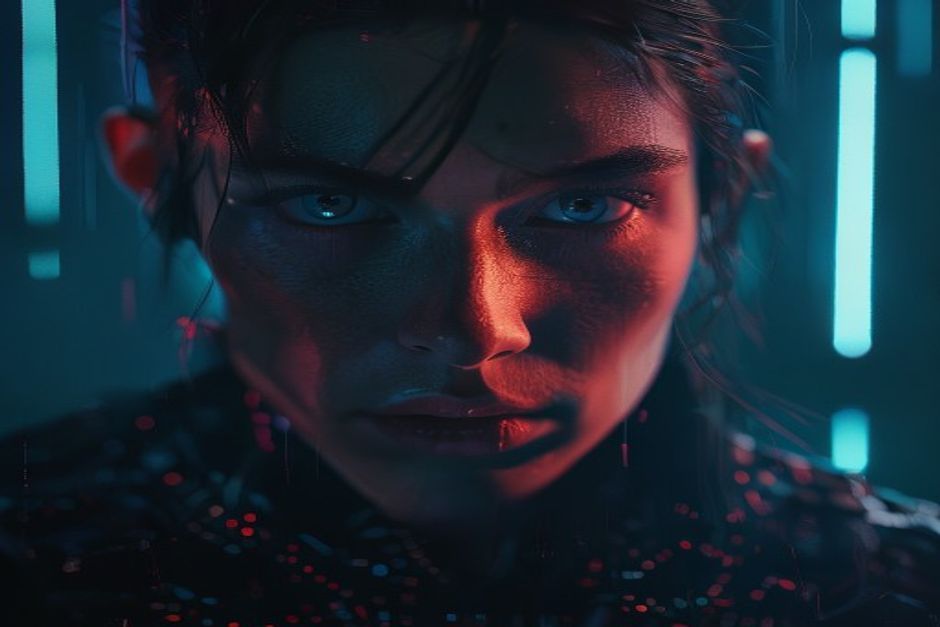
The digital canvas is ablaze with controversy as corporations race to patent AI-generated art, igniting a fierce battle over the very soul of creativity. While artists and designers marvel at the unprecedented capabilities of generative AI, a growing chasm has opened between the creators who wield these tools and the corporate entities seeking to claim ownership of the digital masterpieces they produce.
Recent filings with patent offices worldwide reveal a surge in applications for AI-generated designs, patterns, and even entire visual concepts. Tech giants and design firms argue these patents protect their significant investments in developing and refining the underlying AI models. They contend that the complex algorithms and vast datasets powering these creations constitute intellectual property deserving of legal protection, much like a proprietary software engine.
However, this stance has met with fierce resistance from artists, illustrators, and photographers who see their own work as the essential spark. "We're not just pressing buttons," asserts renowned digital artist Elara Vance. "We're the ones feeding the machine, guiding its output, making countless creative decisions. To patent the final image as if it were a corporate invention is to erase the human hand entirely. It's like patenting a photograph taken by a camera – the camera is a tool, not the artist."
The legal landscape is murky. Current copyright frameworks were designed for human authorship. Can an AI, lacking consciousness and legal personhood, truly be an "author"? Can corporations, who often own the AI tools and the data used to train them, claim rights to the output? Courts are grappling with these questions, but the pace of corporate patenting suggests a preemptive strategy to establish control before legal clarity emerges.
Critics warn this trend threatens the foundational principles of artistic expression and innovation. They argue that patenting AI art stifles collaboration, discourages experimentation, and ultimately commodifies creativity in a way that benefits only the largest corporations. The debate transcends mere ownership; it questions the future of human-AI partnership in the creative industries. As the patent offices churn out approvals, the artistic community is demanding a reckoning: who truly owns the spark of originality in the age of artificial imagination?