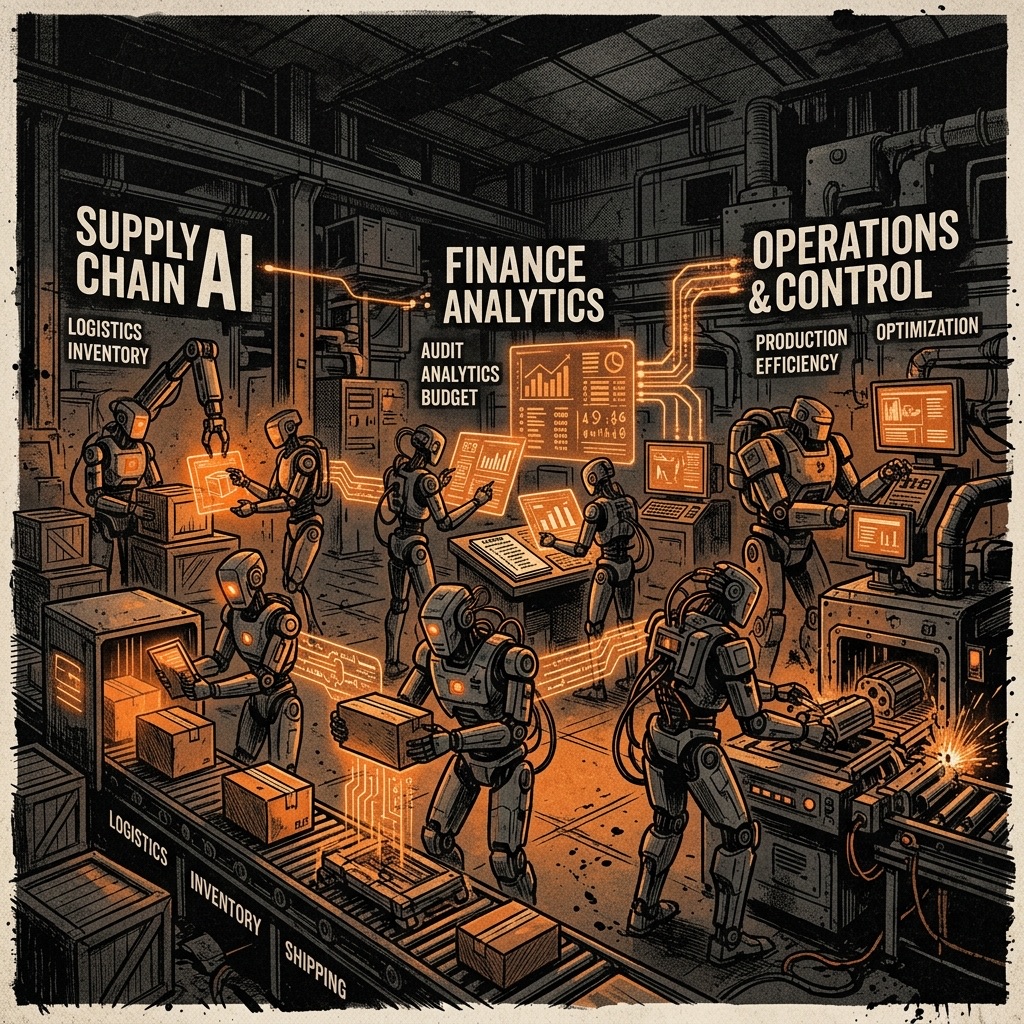
A room does not need a lecture about artificial general intelligence. It needs to watch a system take a messy goal, organize the work, use tools, cite sources, and prepare something a person can trust enough to review.
Minute 1: Start With The Mess
Use a real-looking operating problem: a business wants to decide whether to bid on a tender, prioritize customer follow-ups, prepare for a meeting, or summarize an incident. The input should be messy enough that a plain chatbot answer would feel thin.
Explain that the goal is not to remove the person. The goal is to make the person faster by turning scattered context into a reviewable artifact.
Minutes 2-4: Show The Agent Thinking In Steps
The agent should ask what sources matter, separate facts from assumptions, list its plan, and then build the artifact. This is where AGI becomes visible: not as a single answer, but as a process that can reason across the job.
Tie the demo to the current market direction. Codex is moving toward enterprise systems, Stainless highlights the importance of connectors, and Gemini shows AI entering mobile and browser workflows.
Minutes 5-6: Show Proof
A good demo cites the source material, flags missing evidence, and produces a structured output: a decision memo, scorecard, follow-up plan, or executive brief. The more ordinary the artifact, the more powerful the demo feels.
Do not hide uncertainty. Strong demos say what they know, what they infer, and what still needs human confirmation.
Minute 7: Hand Control Back
End with the approval gate. The human sees the recommendation, source notes, risks, and next actions. Nothing important happens until the owner approves it.
That handoff is the difference between AI as a toy and AI as an operating system for work.
- Goal: Give the AI a specific job, not a vague prompt.
- Context: Feed it real source material or a realistic sample packet.
- Artifact: Ask for a scorecard, brief, table, memo, or action plan.
- Gate: Require a final human review before any action is taken.